Envelope Wise Logo Envelope Wise Contact Us

Master Your Money
One Envelope at a Time

Learn how Hong Kong families divide their monthly pay into smart spending categories—rent, groceries, transport, savings—with firm limits that actually work.

6 Core Envelope Categories
4 Budget Planning Guides
Weekly Balance Review System

Why Envelope Budgeting Works in Hong Kong

The envelope method isn’t new, but it’s incredibly effective. You take your monthly salary and physically or digitally divide it into labeled envelopes for each spending category. When an envelope is empty, you stop spending in that category. Simple as that.

Hong Kong’s fast pace and high living costs make this system essential. Rent takes a massive chunk. Groceries add up quickly. Transport between islands and the mainland isn’t cheap. Without clear boundaries, overspending happens before you notice. We’ll show you exactly how to set those boundaries and actually stick to them.

Whether you prefer physical cash envelopes or digital tracking apps, the principle stays the same. Your money gets organized. Your spending gets controlled. Your savings actually grow.


Family reviewing budget plan together with notebook and calculator at dining table, Hong Kong apartment setting, natural daylight

Your 5-Step Setup Process

From confused about money to confident about your budget in just a few days

1

Track Your Current Spending

Spend one week writing down every dollar you spend. Yes, every coffee, every transport card top-up, everything. You’ll be surprised where money actually goes versus where you think it goes.

2

List Your Fixed Expenses

Rent, utilities, insurance, transport passes—these don’t change month to month. Calculate the total and set that amount aside immediately after getting paid. These envelopes get priority.

3

Set Spending Limits for Variables

Groceries, dining out, gifts, entertainment—these change based on your choices. Look at your tracking data, decide what’s reasonable for your family, and set firm limits. Write them down. Post them somewhere visible.

4

Create Your Envelopes

Divide your monthly pay accordingly. Physical envelopes with cash? Digital app with categories? Both work equally well. Pick whatever fits your lifestyle and your partner’s habits.

5

Review Weekly, Adjust Monthly

Every Sunday, check your envelope balances. Are you on track? Overspending somewhere? Underspending? Make small adjustments before problems develop. Monthly reviews help you prepare for next month’s variations.

What Makes This System Different

It’s not complicated. It’s not restrictive. It actually works because it’s built on reality, not theory.

Physical & Digital Options

Use actual cash in envelopes, a spreadsheet, or a budgeting app. The method works regardless. Pick what matches your comfort level and habits.

Firm Category Limits

Each envelope has a clear ceiling. When you hit that limit, spending stops in that category. No overspending because you can’t overspend. The boundary is real.

Flexible Variable Envelopes

Dining out, gifts, entertainment—these vary month to month. Your flexible envelopes give you room to enjoy life while keeping those expenses intentional and measured.

Couple-Friendly Design

One partner wants to save everything. The other wants flexibility. The envelope system accommodates both. Transparency and individual choice coexist peacefully.

Weekly Balance Reviews

Checking balances takes fifteen minutes. You see what’s left, what’s gone, and whether you’re on track. Small problems get caught early. Big problems don’t develop.

Real Hong Kong Context

We’re not teaching generic budgeting. We address Hong Kong’s specific costs—housing in tight markets, island transport, the reality of living here.

Handling Couples with Different Money Styles

One of you naturally saves. The other thinks life’s too short to skip dining out. This creates real tension in relationships. The envelope method actually resolves it because transparency is built in.

Here’s how: You set shared envelopes for rent, utilities, and essential costs. These get agreed on together. Then you set individual envelopes for discretionary spending. Your partner has their own dining-out budget. You have yours. No fighting about whether $500 on restaurants was “too much”—because you agreed the limit was $400 and stuck to it.

The saver can see exactly where the spender’s money goes. The spender gets freedom within boundaries. Both get peace because the system is fair and visible. We’ll walk you through difficult conversations about money and how to make envelope divisions that work for both of you.

Couple reviewing financial planning document together, discussing budget allocation with calm conversation at home table

Featured Learning Guides

Envelope Budgeting for Hong Kong Families

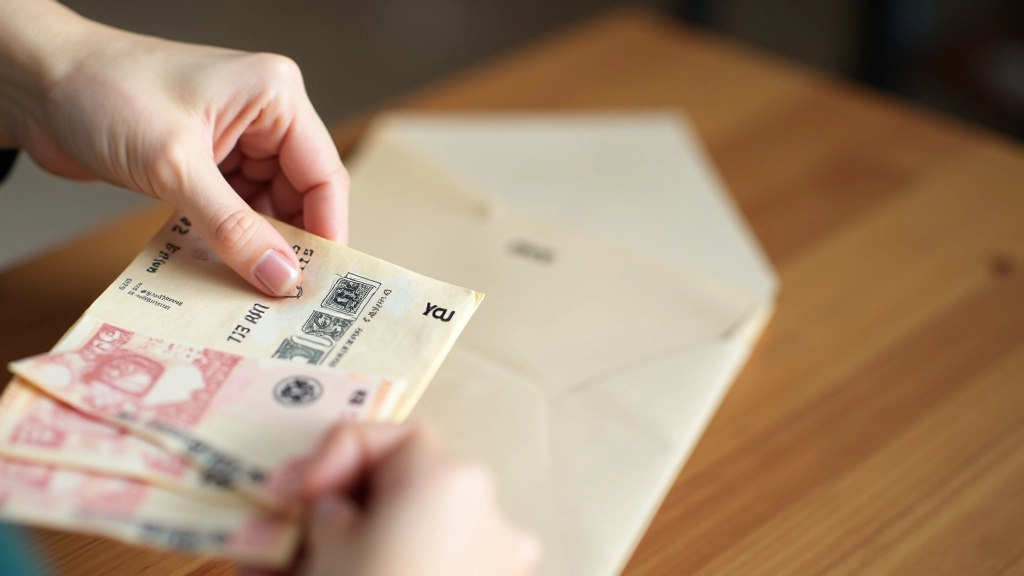
Hand organizing multiple labeled envelopes with Hong Kong currency and expense categories written on them

Setting Up Your First Envelope System

Step-by-step process for dividing your monthly salary into essential categories. We’ll walk you through rent, groceries, transport, utilities, and savings envelopes so you’re never confused about where money should go.

April 3, 2026
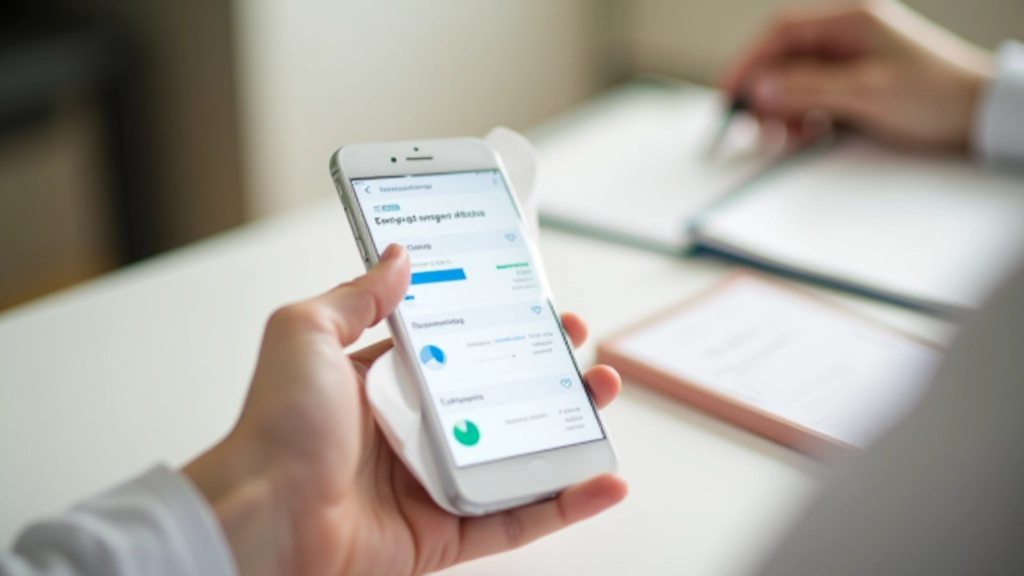
Smartphone showing digital envelope budgeting app interface with category spending limits and progress bars

Physical vs Digital Envelopes: Which Works Better

Comparing traditional cash envelopes with digital tracking apps. Both methods work—the choice depends on your habits, comfort level with cash, and whether you prefer seeing physical money or real-time notifications on your phone.

April 1, 2026
Modern home office workspace with budgeting tools, calculator, notebook, and financial planning documents on clean desk

Common Questions About Envelope Budgeting

You can still use envelopes. Divide your monthly target by the number of pay periods. So if rent is 5000 and you’re paid bi-weekly, you set aside 1250 from every paycheck. Track it the same way—weekly balance reviews, monthly adjustments.

That’s the point. If your groceries envelope is empty and it’s the 20th, you’re done buying groceries. You eat what you have or wait until the new month. This teaches you to plan better and spend more consciously. The occasional month you run out teaches you more than a hundred budget lectures.

Physical cash works better for many people because seeing money leave is psychologically real. Swiping a card feels abstract. But digital apps work equally well if you’re disciplined about tracking. Choose based on your personality, not what others recommend.

This is why you have a savings envelope. Unexpected costs come from savings, not from other categories. If you raid your groceries envelope for an unexpected bill, you’re not budgeting—you’re just moving money around. Keep savings separate and treat it as untouchable for normal month-to-month spending.

The envelope method actually creates freedom because it removes anxiety. When you know exactly how much you can spend on dining out, you stop worrying about whether it’s “okay.” You spend guilt-free within your limits. Frame it as a tool for peace, not restriction.

Ready to Take Control of Your Money?

Start with our step-by-step guide. Learn how to divide your salary, set limits, and build a budget system that actually works for your Hong Kong family. You’ll be organizing your envelopes by tomorrow.